


How to Measure Kids for Clothing: Complete Guide
Table of Contents
- Why Accurate Measurements Matter for Kids' Clothing
- What You'll Need to Measure Your Child
- How to Measure a Child's Chest
- How to Measure a Child's Inseam and Leg Length
- How to Measure a Child for a Dress
- Kids Clothing Size Chart by Age
- Measuring a Child Who Won't Stand Still and Sizing for Growth
- Common Measuring Mistakes to Avoid
- Frequently Asked Questions
Last Updated: October 7, 2026
Why Accurate Measurements Matter for Kids' Clothing
Kids grow fast, and ill-fitting garments can be uncomfortable, unsafe, or unwearable. At Doodlebug's Children's Boutique, we've helped hundreds of families learn how to measure kids for clothing accurately so they can shop with confidence.
Exact measurements eliminate guesswork, let you compare sizes across brands, and prevent online orders that don't fit.
What You'll Need to Measure Your Child
Measuring your child requires minimal equipment, but the right tools help.
Essential tools:
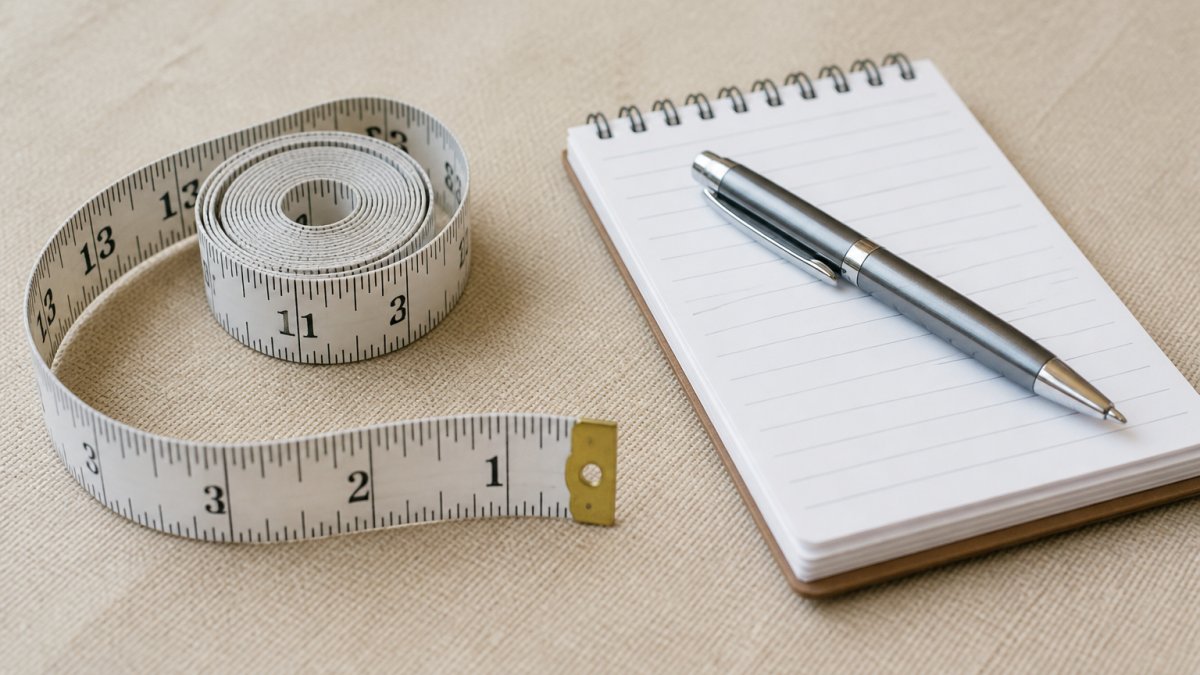
- Soft measuring tape (flexible, not rigid)
- Notepad or phone to record measurements
- Flat surface or wall for height measurements
A soft measuring tape is non-negotiable: rigid rulers and metal tapes won't bend around your child's body.
No tape? Use string or a shoelace, then measure it against a ruler. Record everything in inches.
How to Measure a Child's Chest
The chest measurement is one of the most important for how to measure kids for clothing, since it determines whether shirts, dresses, and jackets fit comfortably.
To measure chest:
- Have your child stand straight with arms relaxed at their sides
- Wrap the measuring tape around the fullest part of the chest, just under the armpits
- Hold the tape firmly but not tight, you should be able to slip one finger under it
The key mistake is measuring too high (shoulders) or too low (waist). The fullest chest is typically 1-2 inches below the armpits.
For babies and toddlers who won't stand still, lay them flat and gently wrap the tape around the chest.
How to Measure a Child's Inseam and Leg Length
Inseam and leg length determine whether pants, jeans, and leggings hit at the right spot, which is critical for how to measure kids for clothing, especially for active children.
To measure inseam:
- Have your child stand barefoot with legs slightly apart
- Measure from the inner thigh (where the legs meet) down to the ankle bone
- Keep the tape straight and vertical
To measure overall leg length (for dresses and skirts):
- Measure from the hip bone down to the ankle
- This tells you how long a dress or skirt should be on your child
Many parents confuse inseam with overall leg length: inseam is for pants, while overall leg length helps you pick dresses and skirts.
For fidgety children, have them lean against a wall to stay still.
How to Measure a Child for a Dress
A dress needs width measurements for the bodice and skirt, plus length measurements that depend on where you want the hem to land.
Dress measurements to take:
- Chest or bust: Wrap the tape around the fullest part of the chest, just under the armpits, keeping the tape level front to back.
- Waist: Find the natural waist, the narrowest point of the torso, usually just above the belly button for younger children.
- Hip: Measure around the fullest part of the hips and seat, typically 6-8 inches below the natural waist for older kids.
Choosing a hem target:
- Knee-length: measure to the top of the kneecap.
- Midi: measure to mid-calf.
- Maxi or ankle: measure to the ankle bone.
Garment-by-garment measurement checklist:
| Garment type | Measurements that matter most |
|---|---|
| Tops and t-shirts | Chest, shoulder width, sleeve length, center-back length |
| Pants and jeans | Waist, hip, inseam, rise (front and back) |
| Dresses | Chest, waist, hip, shoulder-to-hem, back length |
| Skirts | Waist, hip, skirt length from waist |
| Outerwear and jackets | Chest, shoulder width, sleeve length, back length, hip for longer coats |
| Sleepwear | Height, chest, waist, and inseam for one-piece styles |
Why garment type changes the numbers: A t-shirt needs only chest and length. Jeans need waist, hip, inseam, and rise.
Body measurements versus garment measurements: Body measurements describe your child; garment measurements describe clothing laid flat. A flat chest width is roughly half the body chest circumference, so an 11-inch flat chest fits a body chest of about 22 inches. Always check which type a chart lists.
Ease and growing room by garment:
- Knit tops and leggings: 0-1 inch of ease is usually enough because the fabric stretches.
- Woven shirts and dresses: 1-2 inches of ease through the chest and waist keeps movement comfortable.
- Pants and jeans: 1 inch at the waist and 1-2 inches of inseam growth room is a common target.
- Outerwear: 2-3 inches of ease through the chest so the coat fits over a sweater.
When measuring for a dress, have your child wear the undergarments and shoes they'll typically wear with it; heel height changes where maxi and midi hems land. At Doodlebug's Children's Boutique, our dress collection includes styles like the Midnight Bandana Overall Dress and the Denim Darling Overall Romper.


Kids Clothing Size Chart by Age
Age-based sizing is a starting point, but actual measurements are far more reliable. Children grow at different rates, so always use your child's measurements alongside any size chart.
| Age | Average Height | Average Chest | Average Waist | Average Inseam |
|---|---|---|---|---|
| 2-3 years | 34-38 inches | 20-21 inches | 19-20 inches | 12-14 inches |
| 4-5 years | 39-42 inches | 21-22 inches | 20-21 inches | 14-16 inches |
| 6-7 years | 43-47 inches | 22-24 inches | 21-23 inches | 16-18 inches |
| 8-9 years | 48-52 inches | 24-26 inches | 23-25 inches | 18-20 inches |
| 10-12 years | 53-59 inches | 26-30 inches | 25-28 inches | 20-24 inches |
This chart is a reference point, not a rule: prioritize actual measurements over age-based sizing.
Measuring a Child Who Won't Stand Still and Sizing for Growth
Some children treat a measuring tape like a toy; others can't stand still for more than a few seconds. Infants, toddlers, and children with sensory or mobility needs each require a different approach.
For infants who cannot stand:
- Lay the baby on a flat surface such as a changing pad or bed.
- Measure chest and waist by gently sliding the tape under the back and bringing it around the front. Do not lift the baby.
- For length, mark the top of the head and the bottom of the heel on paper, then measure between the marks.
- Take each measurement twice and average the two numbers.
For toddlers who will not stand still:
- Measure during a distraction: a favorite show, a snack, or a toy.
- Work from the back first; chest and back length are easier when the child faces away.
- Use a helper: one adult holds the tape, the other keeps the child engaged.
- Measure in short bursts, one measurement at a time.
For children with sensory or mobility needs:
- Use a soft fabric tape and let the child hold it first so it feels familiar.
- If bare skin is uncomfortable, measure over thin, familiar clothing and subtract about half an inch.
- Break the process into one measurement per session if needed; accuracy matters more than speed.
- For children who use wheelchairs or mobility aids, measure in their typical seated or standing position.
How much growing room to add:
- Chest: 1-2 inches for woven tops and dresses, 0-1 inch for knits.
- Waist: 1 inch for elastic-waist pants, 0-1 inch for button or zip closures.
- Inseam: 1-2 inches for pants you want to last a season.
- Sleeve length: 0.5-1 inch for jackets and long-sleeve tops.
When to remeasure:
- Every 2-3 months during the toddler and preschool years.
- Every 3-4 months during elementary school years.
- Before each seasonal wardrobe change, typically spring and fall.
- Any time a child complains that a waistband digs in, sleeves feel short, or shoes feel tight.
How to track growth:
- Keep one phone note with columns for date, height, chest, waist, hip, and inseam.
- Add a new row each time rather than overwriting old numbers.
- Compare the last two rows: a child gaining more than an inch of height in two months is in a growth spurt.
- Note the brand and size of any garment that fits well; that beats a generic age chart.
Brand-to-brand sizing and conversions: Size labels aren't standardized; a size 5 in one label can fit like a 4 or 6 in another. If a chart uses centimeters, convert with 1 inch equals 2.54 centimeters (Approximate Conversions from U.S. Customary Measures to Metric | NIST).
Our high-quality pieces, like the Dax Overalls, withstand repeated wearing and washing as your child grows into them.

Common Measuring Mistakes to Avoid
Even well-intentioned parents make measuring mistakes that lead to poor-fitting clothes.
Mistake 1: Measuring over thick clothing Heavy sweaters or bulky layers throw off measurements.
Mistake 4: Measuring only once Children move. Measuring twice and averaging gives a more accurate number.
Mistake 6: Not accounting for the garment type Pants fit differently than dresses, and structured jackets fit differently than soft t-shirts.
Accurate measurements take just a few minutes and eliminate the frustration of poorly fitting clothes.
Frequently Asked Questions
Should you measure a child over or under their clothes?
Measure over a thin layer of clothing, such as a t-shirt or underwear, but avoid bulky sweaters or padded jackets. This gives you a realistic measurement that accounts for how the garment will fit over everyday wear. For the most accurate results, ask your child to wear the same type of base layer you'd typically wear under the clothing you're shopping for. Remove any belts, suspenders, or thick accessories before measuring.
How do you choose a size when a child's measurements fall between sizes?
When measurements fall between two sizes, consider your child's growth rate and how you want the garment to fit. If your child is growing quickly, size up for a few extra months of wear. For items like dresses or formal wear where fit matters more, size down for a better silhouette. Check the brand's specific size chart, some brands run large or small.
How often should you remeasure your child?
Remeasure your child every 2-3 months during early childhood (newborn to age 5) when growth is rapid, and every 3-4 months for school-age children. Track measurements in a notebook or phone note to spot growth patterns. This helps you anticipate size changes and plan your wardrobe purchases. Keep a record of which brands fit best at each size, this reference saves time and reduces returns when shopping online.
What measurements do you need to find a child's clothing size?
The essential measurements are height, chest, waist, and inseam (for pants). For dresses, you'll also need dress length. Some brands include shoulder width and arm length for more precise fitting. Height and weight are often used for age-based sizing, but body measurements are more reliable for actual fit. Always check the specific brand's size chart, as sizing varies significantly between manufacturers.